.jpg)

Chatbots were a great first step in automation, but they were never designed to carry the full weight of the guest journey. This is where the Hospitality AI agent comes in.
Hotels are moving from reactive tools that only respond when someone asks a question to intelligent agents that help, guide, and personalise the experience from the moment a guest shows interest until long after they check out.
A Hospitality AI agent works best when it becomes part of how your hotel operates, not just another piece of software sitting on your website. The real value comes when it can learn from your data, support your team, and meet guests at the right moment with the right information.
If you want to understand how to use AI agents in hospitality, this starts with treating the AI as a team member rather than a standalone tool.
A good AI agent needs access to information before it can be helpful. When your guest data is scattered across your PMS, booking engine, emails, and staff notes, the AI can only guess.
When the data is connected, the agent understands the guest as a whole person, not a booking number.
Think about a returning guest who always books a superior double room and prefers late check-in. If your AI agent can see this history, it can greet them with options that fit their behaviour.
It could offer the same room type, check availability automatically, and even remind them about last year’s spa package. That small moment already feels more personal than a standard chatbot response.
Discover the 3 most common data management problems hoteliers face and how to solve them.
Hotels often wait for the guest to make the first move. A Hospitality AI agent flips that around. It reaches out before the guest needs to ask for help.
For example, instead of waiting for “What’s the best way to get from the airport to the hotel?”, your AI agent can message the guest on the morning of arrival with transport tips. If the weather suddenly turns bad, it can share indoor activities or nearby restaurants. Before check-out, it can share luggage storage options or a late check-out offer.
These proactive touchpoints make the stay smoother and build a personalised guest journey with AI that feels natural instead of automated.
.jpg)
Some hoteliers worry that bringing in AI will make the experience feel less personal. What usually happens is the opposite. When the AI takes care of repetitive questions, your team finally gets time to focus on genuine hospitality.
For example, a guest may ask the AI about breakfast times or parking, but when they need local recommendations or have a special request, your team can step in quickly because they’re not juggling dozens of small questions.
The handoff between AI and humans becomes part of improving guest experience with AI in hotels, not replacing the personal touch.
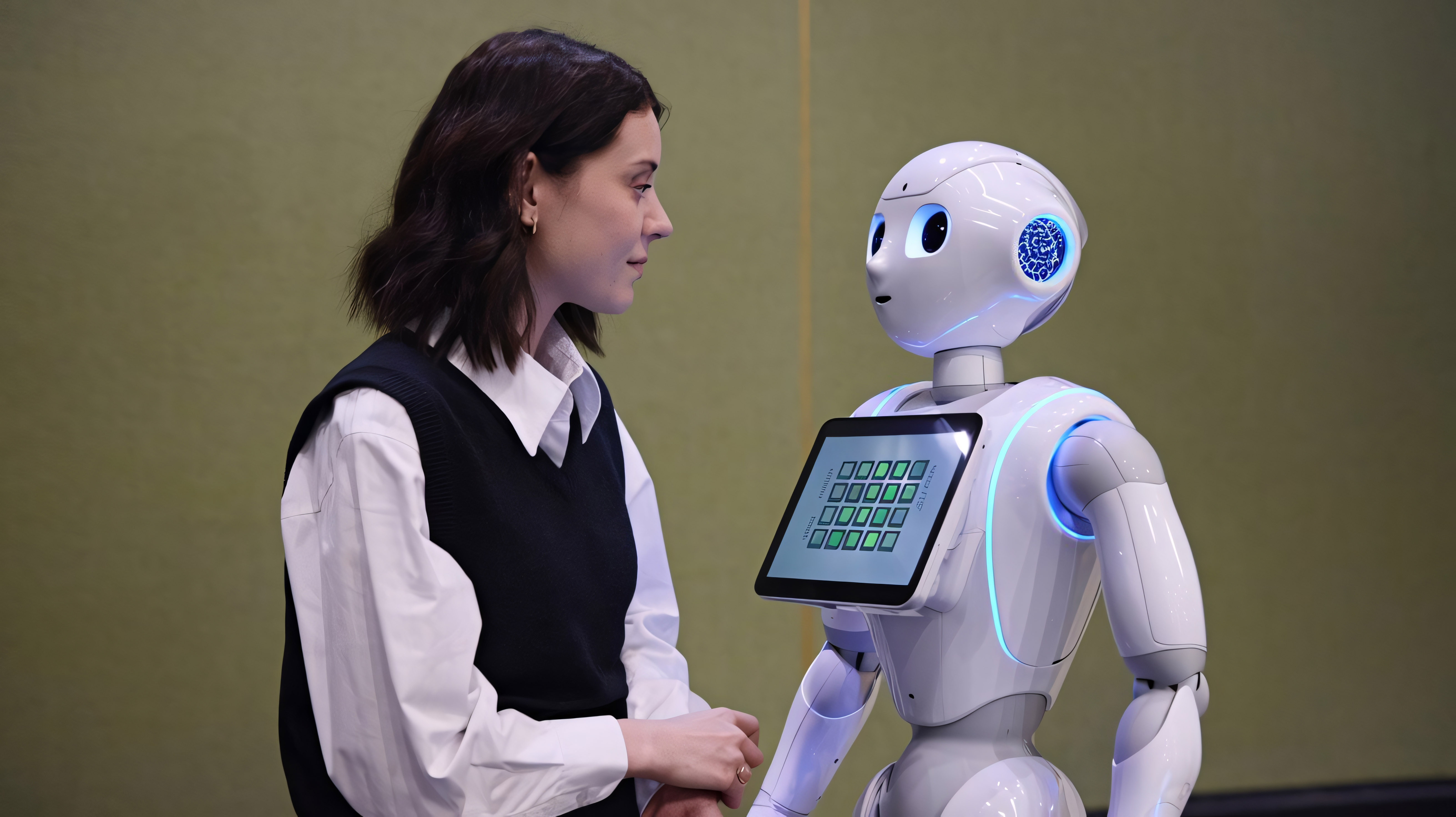
An AI agent can’t fix the guest journey alone. It works best when paired with small, thoughtful human moments and consistent communication.
For example, if the Hospitality AI agent recommends a nearby restaurant based on guest preferences, your front desk team can follow up when the guest walks by and offer an extra tip. If the AI offers a room upgrade before arrival, housekeeping needs to be ready for that change. Every part of the hotel supports the other.
When the AI handles the routine tasks, your staff have more time to create memorable moments – the ones guests talk about later and the ones that strengthen a personalised guest journey with AI.
To understand if your Hospitality AI agent is delivering real value, you need to look at a few core metrics.
These simple metrics help you see whether the AI is not only working but actively improving guest experience with AI in hotels.
Fast replies make guests feel heard, especially during busy hours. If your AI can answer in seconds, it reduces waiting time and prevents small questions from piling up at the front desk.
This shows how many questions or tasks the AI can handle without human help. A higher resolution rate means your team has more time for complex, personal interactions.
If guests leave better reviews, give higher ratings, or comment positively on communication, it’s a strong sign the AI is improving your service.
This tells you whether your AI is influencing bookings, upgrades, or upsells. For example, if it offers early check-in or suggests a breakfast add-on and guests accept, you know the AI is adding revenue, not just answering questions.
When the AI handles repetitive conversations, your team spends less time on routine tasks and more time on meaningful service. Tracking this helps you understand how much efficiency the AI brings into daily operations.
A good AI doesn't wait for guests to ask. It anticipates needs. This metric shows how often your AI takes initiative, for example, sending arrival tips, suggesting activities during bad weather, or offering check-out reminders.
Want to personalise guest experiences with ease? Book a demo today to know more!
Are you ready to increase your revenue and build lasting guest relationships? Take the first step today.


